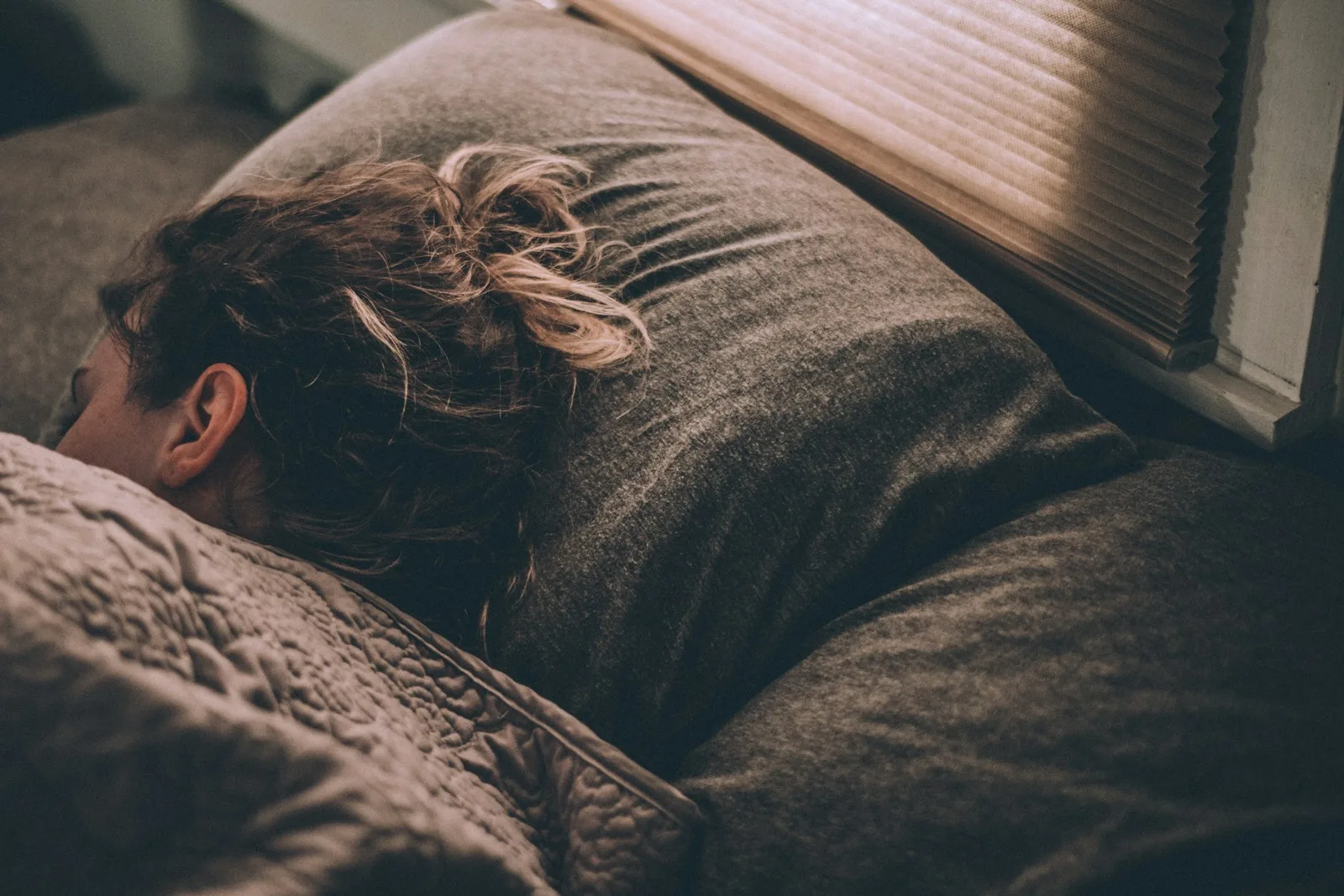
How to Wake Up Without a Jarring Alarm: Gentle Sound Alarm Alternatives in 2026
Harsh alarms spike cortisol and ruin your mornings. Learn how gentle soundscapes, progressive volume, and timed fade-ins help you wake up naturally — and which apps do it best.
Your phone screams at 6:30 AM. You lurch awake, heart pounding, adrenaline flooding your system before your eyes can focus. You hit snooze three times, each cycle making you groggier than the last. By the time you finally sit up, you’re already stressed — and the day hasn’t even started.
This isn’t just unpleasant. A 2020 study in PLOS ONE found that jarring alarm tones increase sleep inertia — that foggy, disoriented feeling — compared to melodic or gradually increasing sounds. Participants woken by harsh buzzers took longer to become alert and reported worse mood for up to an hour afterward.
The fix isn’t sleeping without an alarm. It’s replacing the alarm with something your brain doesn’t interpret as a threat.
Why harsh alarms make mornings worse
Your body cycles through sleep stages roughly every 90 minutes. When an alarm fires during deep sleep (N3) or REM, you’re yanked from your most restorative states. The sudden auditory spike triggers your sympathetic nervous system — the fight-or-flight response.
The result:
- Elevated cortisol within seconds of waking
- Sleep inertia lasting 30–60 minutes (reduced cognitive function, slow reaction time)
- Conditioned dread — over weeks, your brain starts associating the alarm tone with stress, making it harder to fall asleep the night before
The science is clear: Gradual, melodic wake-up sounds reduce sleep inertia by allowing the brain to transition through lighter sleep stages before reaching full wakefulness. Your alarm should be a bridge, not a cliff.
What a gentle wake-up actually sounds like
The most effective gentle alarms share three characteristics:
| Feature | Why it works |
|---|---|
| Progressive volume (starts near-silent, builds over 5–15 min) | Lets your brain surface through natural sleep stages |
| Natural/melodic tones (birdsong, ocean, piano) | Activates auditory cortex without triggering threat response |
| Frequency range 300–600 Hz | Perceived as pleasant; avoids the harsh frequencies (2–4 kHz) that spike alertness aggressively |
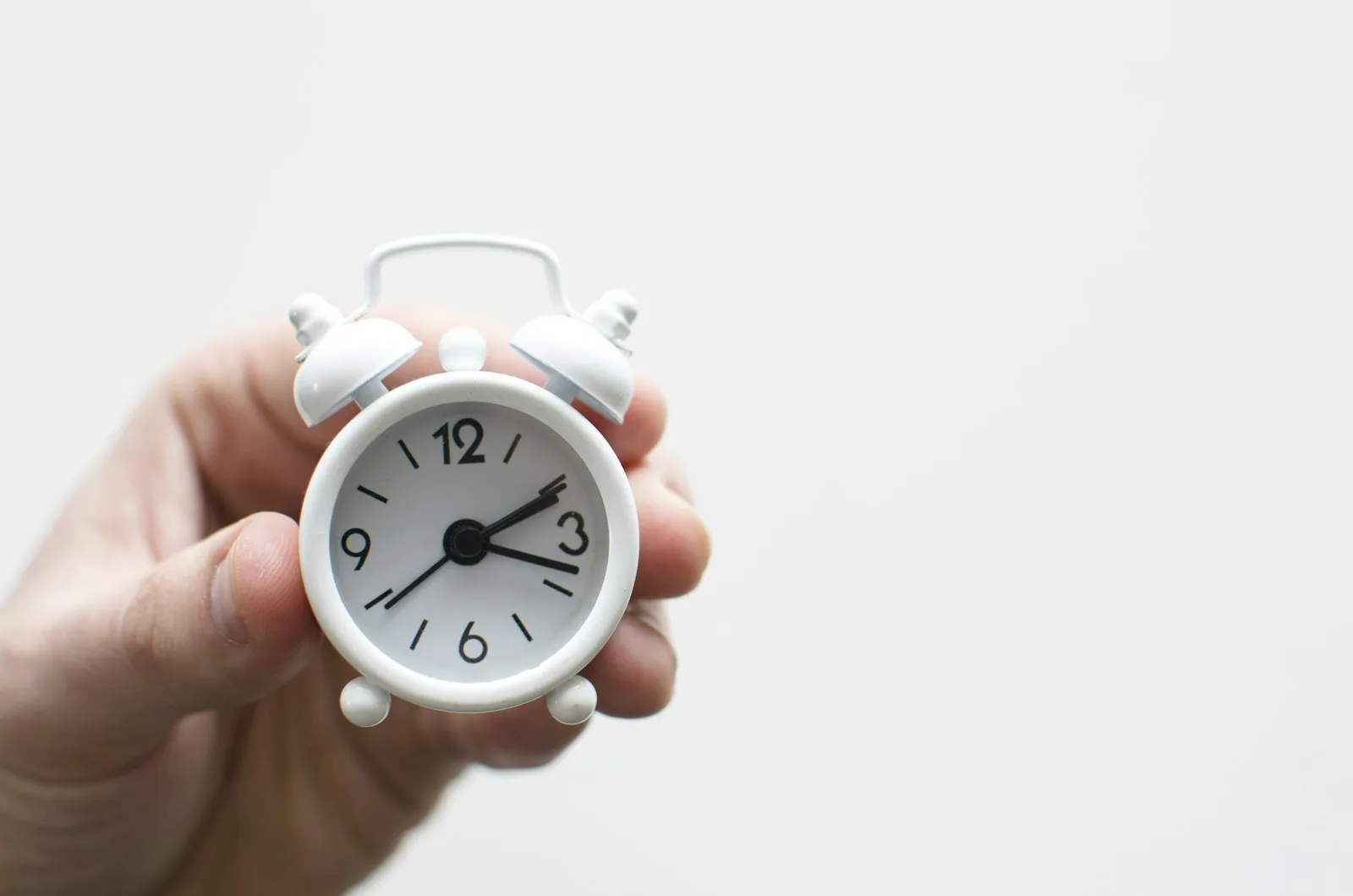
The fade-in method
The most evidence-backed approach is the fade-in alarm: a soundscape that starts at near-zero volume 10–15 minutes before your target wake time and gradually increases. Your brain registers the growing sound and begins its natural arousal process — raising body temperature, releasing cortisol gradually (not in a spike), and transitioning from deep sleep to light sleep.
By the time the volume reaches a noticeable level, you’re already in N1 or N2 sleep — the lightest stages — and waking feels natural rather than forced.
5 approaches to gentle mornings
1. Ambient soundscape alarm
Replace your buzzer with a nature soundscape that fades in over 10–15 minutes. Birdsong is particularly effective — our brains evolved to associate dawn chorus with safe waking. Ocean waves, gentle rain transitioning to silence, or forest sounds all work well.
2. Sleep timer + scheduled playback
A different approach: fall asleep to sounds (using a sleep timer that stops after 30–45 minutes), then schedule the same app to resume playing 15 minutes before your alarm. The continuity of the familiar soundscape signals your brain that it’s safe to surface.
3. Progressive frequency shift
Start with low-frequency sounds (deep hum, brown noise at ~100 Hz) and gradually shift to higher frequencies (birdsong, chimes at 400–800 Hz) over 10 minutes. This mimics the natural acoustic shift from night (quiet, low) to morning (bright, higher frequencies).
4. Vibration + sound combination
If you share a bed, combine a wrist vibration (smartwatch) with quiet earbuds playing nature sounds. The physical sensation provides the wake trigger without disturbing your partner, while the sound provides the gentle transition.
5. Light + sound pairing
For the deepest sleepers, pair a smart light that simulates sunrise (gradually brightening over 20 minutes) with a fade-in soundscape. Light suppresses melatonin; sound provides the auditory cue. Together they cover both pathways to wakefulness.
How DreamTone handles gentle waking
DreamTone already has the foundation for gentle wake-ups built in. The sleep timer with fade-out works in reverse for mornings: you can set a soundscape to begin playing at a scheduled time with a gradual fade-in, giving you a natural transition from silence to gentle sound.
Combine this with DreamTone’s sound mixing — layer soft birdsong over a light rain backdrop, for example — and you have a custom wake-up soundscape that’s uniquely yours. Unlike one-size-fits-all alarm tones, you can design the exact acoustic environment that your brain responds to best.
If you’re curious about which sound types work best for both sleep and waking, our complete guide to noise colors covers the science behind brown, pink, and white noise — including which frequencies are most effective for morning arousal. And if falling asleep is the harder problem, check our guide on how to fall asleep in 5 minutes to ensure you’re getting enough rest that mornings become easier naturally.
For a broader look at how ambient sounds improve both sleep onset and wake quality, see our science-backed guide to sleep music frequencies.
Download DreamTone free on the App Store →
FAQ
Q: Won’t a gentle alarm fail to wake me up? A: The 10–15 minute fade-in window gives your brain time to transition to lighter sleep stages. Most people wake naturally within this window. If you’re a very deep sleeper, start with a 5-minute fade-in and set a traditional backup alarm 5 minutes after your target time. You’ll almost never need the backup after the first week.
Q: What volume should I set for a fade-in alarm? A: Start at barely audible (10–15% of your phone’s max volume) and build to about 40–50%. The goal isn’t to blast you awake — it’s to provide a gradual auditory stimulus that your sleeping brain can register and respond to naturally.
Q: Is birdsong really better than other sounds for waking? A: Research suggests melodic, natural sounds reduce sleep inertia more than monotone beeps. Birdsong scores particularly well because it’s associated with dawn — an evolutionary cue for waking. But any sound you find pleasant and non-threatening will work. The key is gradual onset, not the specific sound.
Q: Should I use the same sound for sleeping and waking? A: It works for some people — the familiarity is comforting. Others find it confusing (the brain can’t distinguish “time to sleep” from “time to wake”). Experiment with both. A good compromise: use different layers (e.g., rain for sleeping, birdsong for waking) within the same app.
Q: How long until gentle alarms feel normal? A: Most people adapt within 3–5 days. The first morning might feel strange because you’re used to the adrenaline jolt. By day three, you’ll notice you’re waking more alert and in better mood. Give it a full week before deciding it doesn’t work.
Related Articles
How Sleep Sounds Help Reduce Anxiety at Night: A Science-Backed Guide
Racing thoughts at bedtime? Research shows ambient sounds like rain, brown noise, and nature loops calm your nervous system and cut sleep-onset time. Here's how to use them.
SleepThe 90-Minute Sleep Cycle: How to Calculate Your Ideal Wake-Up Time
Waking mid-cycle causes grogginess. Learn how sleep cycles work, how to count backwards from your alarm, and how a cycle calculator helps you wake refreshed every morning.
SleepDreamTone Is Live: A Free Sleep Sounds App That Respects Your Wallet and Your Privacy
DreamTone is now on the App Store and Product Hunt — a free, no-subscription sleep sounds app with 30+ soundscapes, smart timer, and zero data collection.

Try DreamTone
Curated ambient sounds and sleep tools to help you fall asleep faster and wake up refreshed.